


After the challenges of 2020 and the continuing impact of the global pandemic, risk awareness and prevention has taken on a whole new level of significance for businesses everywhere.
Recent Posts
Pan Software, leading provider of Enterprise Risk Intelligence Software RiskWare, has released the findings of its State of Risk & Resilience Survey. This survey was an Australian-first initiative aimed at uncovering insights into perceived strengths and weaknesses of leading organisations internally as well as their most anticipated threats and opportunities looking ahead. With a year that has been infiltrated by crises like the bushfires then COVID-19, the report gives a glimpse into the state of risk and resilience within Australasia.
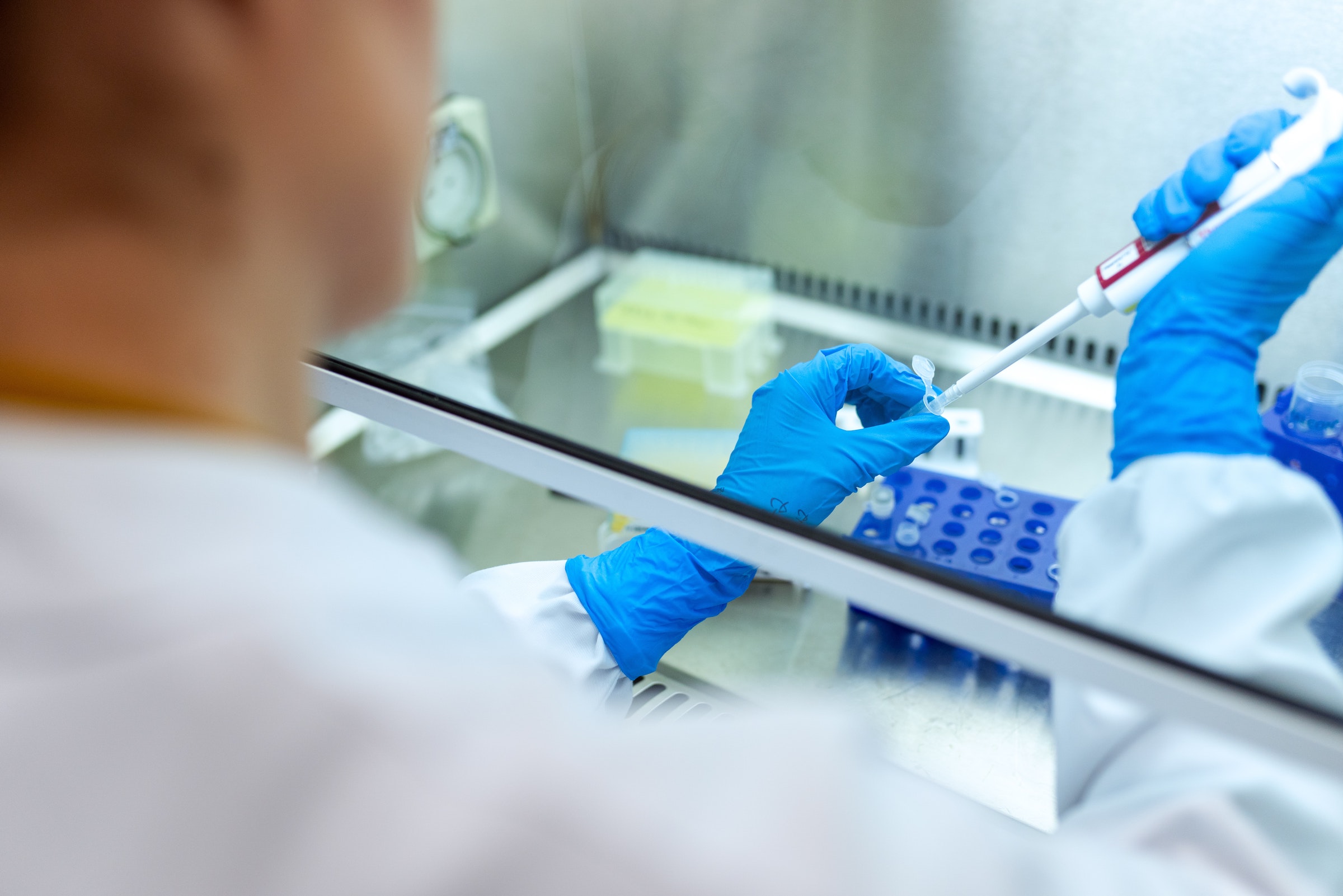
Advancements in science and technology, whether they apply to industries from health to agriculture to supply chain production, are enabling the world to produce research, goods, services, and so on more efficiently and effectively - but with the research, testing and execution of these advancements also come risks. In particular, many industries and organisations need to manage the risks of the accidental exposure to hazardous substances or materials. The approach, policies and processes by which these types of risks are managed is called biosafety, an increasingly important subset of an organisation's overall health and safety management.
While the world has gone virtually...virtual, there is no shortage of events for those in the risk profession. Even if you might prefer attending these occasions in person, with advanced video conferencing technology, they are still a wonderful opportunity to hear from world renowned thought leaders, stay on top of the latest trends, learn new approaches and connect with like-minded professionals. Take a look at our list of events you might not want to miss for the rest of the year!
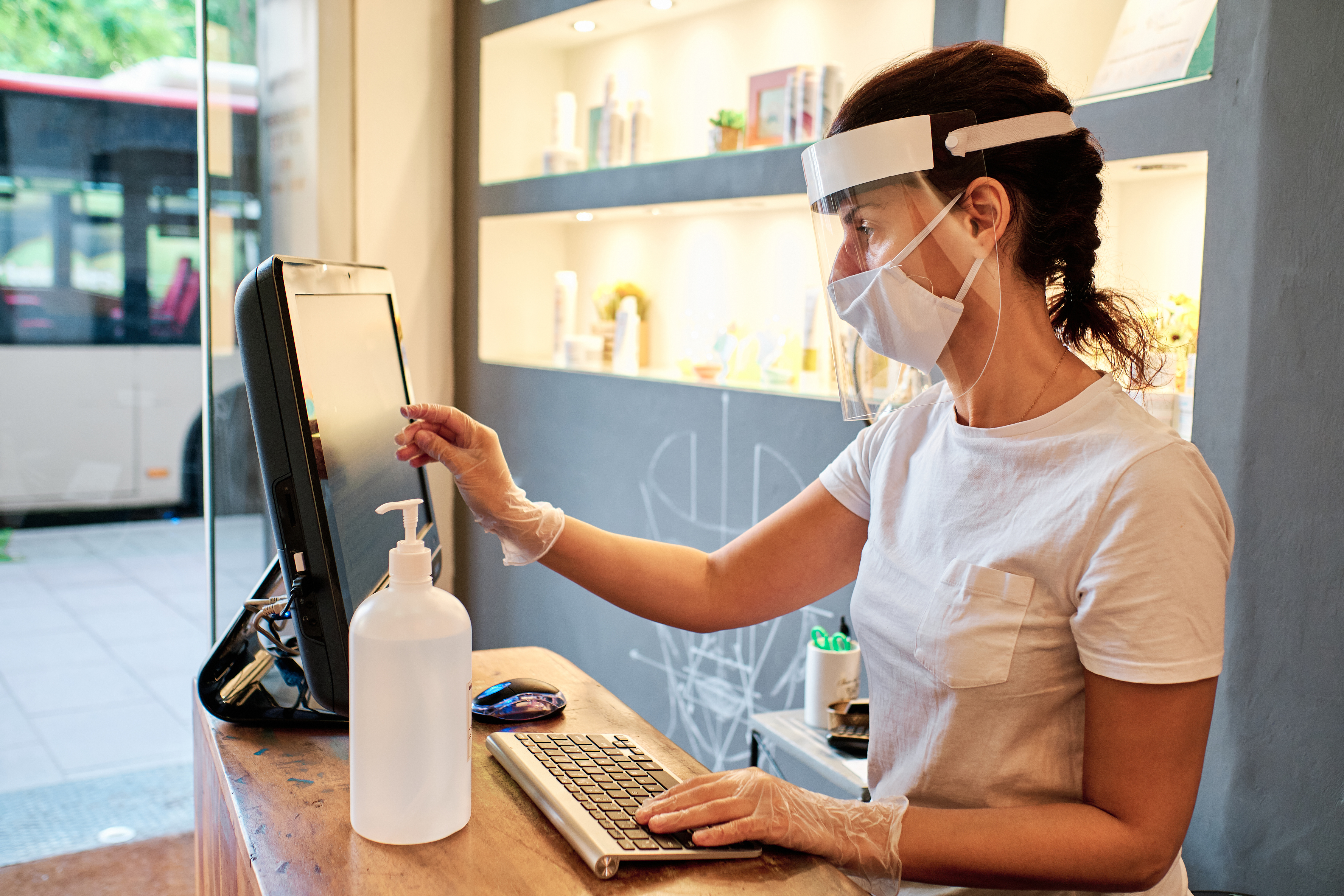
We are facing lots of uncertainty at the moment. We don't know when there's going to be a vaccine for COVID-19, we don't know when we'll be able to travel freely or what 'normal' will look like after the dust settles. Dealing with this uncertainty is challenging, which is why it's important to focus on what we can control and tools that can help. Taking care of your staff who are at risk of experiencing adverse effects from their work, known as health surveillance, is one such practice.