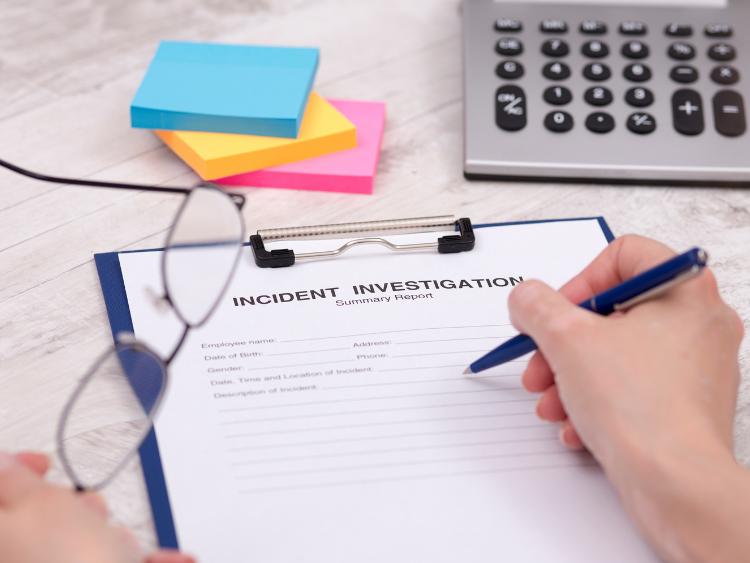
Incident reporting is one of the most important parts of school safety and compliance, yet in many schools it remains inconsistent, time-consuming or difficult to rely on when it matters most.
Schools manage incidents every day across staff, students, visitors and contractors. From minor hazards to serious events, the way incidents are recorded and followed up can determine how well a school protects its people and demonstrates its responsibilities.
Good incident reporting isn’t about collecting more information. It’s about having simple, consistent processes that create clear and reliable records.
Why incident reporting often breaks down
In many schools, incident reporting has developed over time using paper forms, spreadsheets or multiple digital systems.
This will lead to:
- Inconsistent reporting between departments
- Missing follow-up actions
- Evidence stored in different locations
- Unclear responsibility for next steps
- Difficulty retrieving information later
Even when incidents are recorded, the information often sits in isolation and isn’t connected to investigations, actions or compliance requirements.
When an audit, complaint or insurance claim arises, schools may struggle to show a clear record of what happened and what was done in response.
Reporting is only the first step
Recording an incident is only one part of effective safety management. Strong processes ensure that incidents move through a clear pathway from reporting through to resolution.
Effective incident management means reports are recorded consistently, follow-up actions are clearly assigned and investigations are documented where required. Evidence should remain linked to the original incident record, creating a visible timeline of what happened and what was done in response.
When actions and evidence are connected in this way, schools move from reactive incident management toward structured safety processes that support continuous improvement.
Why clear records matter more than ever
Schools are increasingly expected to demonstrate how incidents have been managed, not just that they were recorded.
Time-stamped records and documented follow-ups allow schools to show safe systems of work, consistent decision-making and appropriate responses. This is particularly important where incidents involve staff safety, student wellbeing or regulatory obligations.
Clear documentation also reduces the pressure that often comes with audits, claims or investigations. Instead of pulling together information from multiple sources, schools can rely on structured records that are already in place.
Being prepared in this way is less about compliance and more about creating confidence in how safety is managed.
A simpler approach to school incident reporting
The most effective systems make reporting quick and easy for staff, while keeping actions and evidence connected behind the scenes. This means:
- Staff can record incidents in minutes
- Actions and follow-ups remain visible and easy to track
- Evidence stays linked to the original incident
- Leadership has clear oversight without manual collation
Riskware provides simple incident reporting designed for Australian schools, helping schools create clear and reliable records while reducing administrative effort.
The goal is not more reporting. The goal is clearer and more reliable reporting that supports everyday school operations.